RFQ Meaning Uncovered: Mastering the Art of Request for Quotation Today!
In the realm of international procurement, understanding the essence of RFQ (Request for Quotation) can be transformative for buyers seeking custom gifts for promotional projects. RFQ serves as a pivotal document used by companies or individuals to solicit pricing and terms from potential suppliers, streamlining the procurement process and facilitating informed decision-making. Let’s delve into the depths of RFQ and uncover its transformative potential in the realm of custom gift procurement.
Chapter 1: Demystifying RFQ Meaning
RFQ Meaning in Business: A Strategic Approach to Procurement Excellence
RFQ, or Request for Quotation, is a cornerstone in the procurement process, offering a structured approach for buyers to gather essential information about products or services. By initiating an RFQ, buyers can articulate their specific requirements, including product specifications, desired quantities, delivery timelines, and additional terms or conditions. This clarity enables buyers to streamline the supplier selection process, optimize outcomes, and foster fruitful negotiations.
In the corporate world, understanding RFQ meaning in business is essential for efficient procurement. By leveraging the RFQ process, companies can ensure that their custom gift orders meet quality standards while staying within budget.
In many cases, companies may initiate an RFQ request when they are ready to compare competitive offers and ensure transparency in procurement. This structured process enhances supplier accountability and accuracy.
Understanding RFQ: Examples and Applications
Before diving deeper into the RFQ process, let’s explore some practical examples and applications. Imagine a scenario where a company is planning a promotional campaign and requires custom gifts to distribute to its clients. By issuing an RFQ, the company can solicit quotations from various suppliers, allowing them to compare prices, assess product quality, and negotiate favorable terms. Whether it’s sourcing branded merchandise or personalized corporate gifts, RFQ empowers buyers to make informed decisions and achieve their procurement objectives efficiently.
Chapter 2: Crafting an Effective RFQ Request
RFQ Meaning: Crafting Persuasive Requests for Custom Gifts Procurement
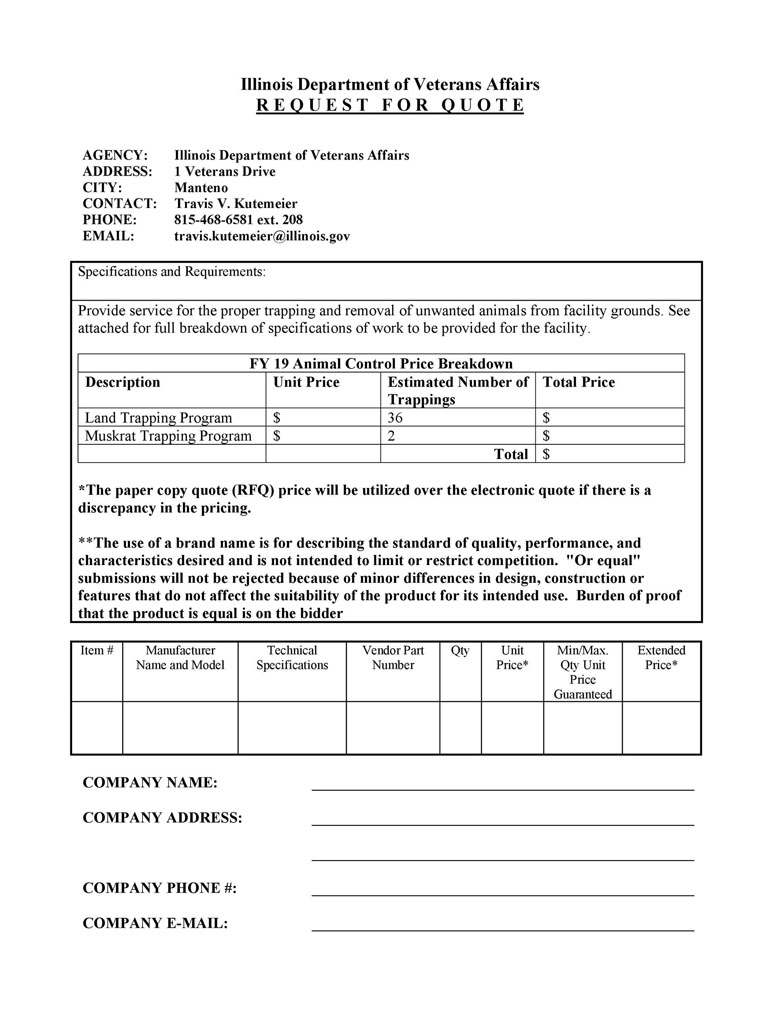
Crafting an effective RFQ request demands meticulous attention to detail and strategic planning. Buyers must outline their requirements comprehensively, ensuring clarity and precision in their communication with potential suppliers. This entails delineating product specifications, desired quantities, delivery timelines, and any additional terms or conditions. By articulating their needs effectively, buyers can attract competitive quotations and identify the most suitable suppliers for their custom gift procurement needs.
When preparing an RFQ request, businesses should ensure that their specifications align with their promotional goals. A well-crafted RFQ request allows companies to find the perfect custom gift supplier who can meet branding and budgetary expectations.
This practice is especially critical in understanding the RFQ meaning in procurement, where the focus is on obtaining the best value and ensuring the supplier’s compliance with exact specifications.
Key Components of an RFQ Request
To ensure the success of an RFQ request, it’s essential to include several key components:
- Product Specifications: Provide detailed descriptions of the custom gifts required, including materials, dimensions, colors, and any branding or customization requirements.
- Quantity: Specify the quantity of each item needed to fulfill the promotional campaign’s requirements.
- Delivery Timelines: Outline the desired delivery schedule, including any urgent deadlines or specific event dates.
- Quality Standards: Define the quality standards expected for the custom gifts, ensuring they meet the company’s branding and image requirements.
- Pricing Structure: Clearly state the pricing structure desired, including unit prices, bulk discounts, and any additional costs such as shipping or taxes.
By including these essential components in the RFQ request, buyers can provide suppliers with the necessary information to submit accurate and competitive quotations.
Chapter 3: Navigating the RFQ Process with Confidence
RFQ Meaning: A Step-by-Step Guide to Seamless Custom Gift Procurement
Navigating the RFQ process with confidence requires a structured approach and proactive engagement. Buyers begin by identifying potential suppliers capable of meeting their bespoke gift requirements. Upon dispatching the RFQ request, suppliers submit their quotations, prompting buyers to evaluate each proposal meticulously. Factors such as pricing, quality, and delivery terms are carefully considered, enabling buyers to identify the optimal supplier and proceed with procurement seamlessly.
An effective RFQ request ensures that suppliers provide competitive offers, enhancing the overall procurement strategy. By streamlining the RFQ request process, businesses can efficiently secure the best value for their custom gift orders.
Once the supplier selection is complete, the next step often involves accepting quotation details that align with company goals, ensuring both sides are committed to agreed pricing and timelines.
Key Steps in the RFQ Process:
- Supplier Identification: Research and identify potential suppliers capable of fulfilling the custom gift requirements.
- RFQ Submission: Prepare and submit the RFQ request to selected suppliers, ensuring clarity and specificity in the requirements outlined.
- Quotation Evaluation: Review and evaluate the quotations received from suppliers, considering factors such as pricing, quality, and delivery timelines.
- Supplier Selection: Select the most suitable supplier based on the evaluation criteria and negotiate any necessary terms or conditions.
- Contract Finalization: Finalize the contract terms with the chosen supplier, including pricing, delivery schedules, and payment terms.
By following these key steps, buyers can navigate the RFQ process with confidence and secure the best value for their custom gift procurement needs.
Chapter 4: Advantages and Disadvantages of RFQ
1. Advantages:
- Competitive Pricing: RFQ allows buyers to solicit quotations from multiple suppliers, fostering competition and driving prices down.
- Streamlined Procurement: By outlining specific requirements in the RFQ, buyers can streamline the procurement process and expedite supplier selection.
- Enhanced Transparency: RFQ promotes transparency by providing clear specifications and pricing expectations to potential suppliers, minimizing misunderstandings and disputes.
2. Disadvantages:
- Time-Consuming: Crafting comprehensive RFQ requests and evaluating multiple quotations can be time-consuming, especially for complex procurement projects.
- Limited Supplier Pool: RFQ responses are limited to suppliers who choose to participate, potentially limiting the buyer’s options and overlooking potential vendors.
- Rigidity in Specifications: Once an RFQ is issued, any changes to the specifications may require issuing a new request, leading to delays and additional administrative burdens.
Despite some disadvantages, many procurement professionals still prefer to request a quotation through an RFQ due to the structured and formalized nature of the process.
Chapter 5: Comparison of RFQ with RFI and RFP
In the realm of procurement, various methods serve distinct purposes in soliciting information and proposals from potential suppliers. Understanding the differences between RFQ (Request for Quotation), RFI (Request for Information), and RFP (Request for Proposal) is crucial for buyers seeking to optimize their procurement strategies.
| RFI | RFQ | RFP |
| RFI stands for Request for information. | RFQ stands for Request for Quotation. | RFP stands for Request for proposal. |
| RFI is used to gather information about vendors to make an informed decision. | RFQ helps to identify the price to fulfill a specific requirement or need. | RFP helps to compare all the vendors and helps to choose the best one based on merit. |
| RFI is a fast way to get help in taking information for your business needs | RFQ helps the user to explore all the available financial options | RFP helps the buyer to make a final decision about the purchase |
RFQ vs. RFI:
RFQ (Request for Quotation) and RFI (Request for Information) are both used to gather information from potential suppliers, but they serve different purposes and focus on different aspects of the procurement process.
RFQ is primarily focused on soliciting quotations or pricing information from suppliers for specific products or services. It is used when the buyer has a clear understanding of their requirements and seeks pricing and terms from potential suppliers.
On the other hand, RFI is more exploratory in nature and is used when the buyer seeks general information about suppliers, their capabilities, and their offerings. RFIs are typically used in the early stages of the procurement process when the buyer is gathering information to inform their decision-making.
While RFQs are more transactional and focused on pricing and terms, RFIs are more strategic and focus on understanding the market landscape, supplier capabilities, and potential solutions available.
RFQ vs. RFP:
RFQ (Request for Quotation) and RFP (Request for Proposal) are both formal procurement documents used to solicit bids or proposals from potential suppliers, but they differ in scope and complexity.
RFQ is typically used for straightforward procurement needs, such as purchasing standard products or services with well-defined specifications. It focuses on pricing and terms, allowing buyers to compare quotes from different suppliers and select the most competitive offer.
On the other hand, RFP is used for more complex procurement needs, such as large-scale projects or customized solutions. It requires suppliers to submit detailed proposals outlining how they will meet the buyer’s requirements, including technical solutions, implementation plans, and pricing structures.
While RFQs are more focused on price and terms, RFPs are more comprehensive and require suppliers to demonstrate their capabilities and provide detailed solutions to the buyer’s requirements.
In summary, RFQs are best suited for straightforward procurement needs with well-defined specifications, while RFIs are used for gathering general information about suppliers and their capabilities. RFPs are reserved for complex procurement needs requiring detailed proposals from potential suppliers.

Chapter 6: FAQs About RFQ
1. Is an RFQ a legally binding contract?
No, an RFQ (Request for Quotation) is not a legally binding contract. It is a formal request for pricing and terms from potential suppliers, but it does not constitute a contractual agreement. Once a supplier’s quotation is accepted, further negotiations may be required to finalize the terms and conditions of the contract.
2. Why is an RFQ needed in the procurement process?
RFQs play a crucial role in the procurement process by providing buyers with competitive pricing and terms from potential suppliers. They help buyers compare offers, negotiate favorable terms, and select the most suitable supplier for their needs. RFQs also promote transparency and fairness in the procurement process by allowing suppliers to compete on an equal footing.
3. What is the difference between RFQ, RFI, and RFP?
RFQ (Request for Quotation) is used to solicit pricing and terms from potential suppliers for specific products or services. RFI (Request for Information) is used to gather general information about suppliers and their capabilities. RFP (Request for Proposal) is used for complex procurement needs, requiring detailed proposals from potential suppliers outlining how they will meet the buyer’s requirements.
4. Can RFQs be used for any type of procurement?
RFQs are best suited for straightforward procurement needs with well-defined specifications, such as purchasing standard products or services. They may not be suitable for complex procurement needs requiring detailed solutions or customization, which may be better addressed through RFPs or other procurement methods.
Conclusion:
In conclusion, mastering RFQ meaning is indispensable for international buyers seeking custom gifts for promotional projects. By embracing RFQ as a strategic tool for procurement excellence, buyers can optimize efficiency, streamline processes, and unlock unparalleled opportunities for success. Armed with the insights gained from this comprehensive guide, buyers can navigate the complexities of custom gift procurement with confidence, propelling their endeavors towards excellence and competitive advantage.