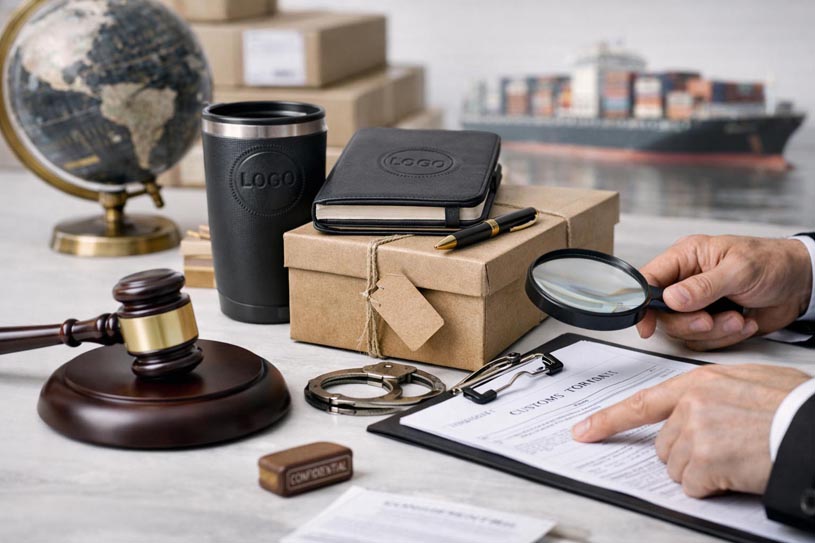
In today’s fast-moving gift industry, trademark infringement protection isn’t just a legal buzzword anymore. It’s something buyers, sellers, and sourcing teams deal with almost every day—sometimes without realizing it. If you work with custom logo gifts, especially across borders, trademark infringement protection can quietly shape everything from supplier choice to delivery timelines, platform compliance, and even long-term brand credibility. Ignore it, and problems tend to show up at the worst possible moment: during customs checks, after a marketplace takedown, or when a shipment is already on the water.
The tricky part is that this topic feels complicated. Legal language, overlapping rules, and different country standards can make people want to avoid it altogether. But in reality, understanding trademark infringement protection at a practical level can save a lot of money, stress, and broken business relationships.
Why Trademark Infringement Protection Matters in Custom Logo Gifts
Custom logo gifts sit right at the intersection of branding and manufacturing. That’s why they’re more exposed to IP trouble than many people expect. You’re dealing with logos, names, symbols, packaging design, and sometimes slogans—all of which may be protected in different ways.
In modern business culture, branding moves fast. Marketing teams want new designs yesterday. Influencer trends spread overnight. Private-label gifting is booming. All of this increases pressure on buyers and suppliers to move quickly, and that’s usually when trademark infringement protection gets skipped or rushed.
The result? Delayed shipments, seized goods, frozen platform accounts, or tense emails from legal departments. None of these are theoretical risks—they happen every day in the global gift trade.
Intellectual Property Risks Hidden in Everyday Gift Orders
One of the biggest problems is that intellectual property risks often hide inside normal-looking orders. A buyer sends over a logo. A factory prints it. Everyone assumes responsibility lies elsewhere.
But here’s the reality:
- A buyer may not actually own the trademark they’re using
- A logo might be registered in one country but not another
- Similar-looking marks can still cause legal trouble
In import and export business, responsibility isn’t always clear-cut. Customs authorities don’t care who thought they had permission. If goods violate trademark rules, they can be detained or destroyed.
This is why trademark infringement protection isn’t just about lawyers—it’s about daily business decisions.
Logo Copyright Law Explained Without the Legal Jargon
Let’s talk about logo copyright law, because this is where confusion usually starts.
Copyright protects original creative works. So yes, a logo design can be copyrighted. But copyright alone doesn’t stop someone from using a similar logo on products in commerce. That’s where trademarks come in.
In the gift industry, people often assume that owning the design file equals owning the rights. That’s not always true. You might own the artwork but still infringe on someone else’s trademark if the logo looks confusingly similar or uses a protected brand element.
Understanding this distinction is key to real trademark infringement protection.
Copyright vs Trademark in the Real Gift Business
The copyright vs trademark question sounds academic, but it shows up constantly in real orders.
Here’s a practical way to think about it:
- Copyright protects creative expression
- Trademark protects brand identity in commerce
If you’re printing a logo on gifts that will be sold, distributed, or imported/exported, trademark rules usually matter more.
This is also why e-commerce platforms and customs authorities focus heavily on trademarks. They’re trying to prevent consumer confusion and counterfeit trade—not judge artistic originality.
Trademark Infringement Protection Before You Place an Order
The best time to think about trademark infringement protection is before mass production starts. Once products are made, options become expensive very quickly.
At this stage, basic trademark search tips can make a big difference:
- Check official trademark databases in target markets
- Look for similar names, not just exact matches
- Pay attention to product categories
Many buyers only search locally. That’s risky. A logo that’s fine in one country can cause issues in another.
Building trademark infringement protection into sourcing workflows is becoming standard practice for experienced buyers.
Simple Trademark Search Tips for Non-Lawyers
You don’t need to be a legal expert to reduce risk. Some simple steps help:
- Search both word marks and logo marks
- Don’t rely on Google images alone
- Watch out for “close enough” similarities
A common mistake is assuming that small visual changes are enough. In trademark disputes, overall impression matters more than tiny design differences.
Ignoring these basics increases IP litigation risks, especially when products scale.
How to Avoid IP Infringement in Gift Import and Export
If you’re asking how to avoid IP infringement, the answer usually lies in process, not perfection.
Smart buyers and sellers:
- Clarify logo ownership in writing
- Keep approval records
- Avoid vague “client responsibility” clauses
Factories also play a role. Experienced suppliers will flag risky logos instead of printing blindly. That’s a sign of maturity, not stubbornness.
In global trade, documentation matters. Emails, signed approvals, and contracts can be critical if disputes arise.
Registering a Trademark Is a Business Move, Not Just Legal Paperwork
For brands that regularly order custom logo gifts, registering a trademark often makes sense sooner than people expect.
Trademark registration:
- Strengthens trademark infringement protection
- Makes customs clearance smoother
- Helps stop copycats more effectively
That said, registration should be strategic. Different countries have different systems, and timing matters. A rushed registration without market planning can waste money.
Still, from a long-term view, registered trademarks reduce friction across supply chains.
Brand Protection Strategies for Long-Term Gift Businesses
Strong brand protection strategies go beyond one-off checks.
Established gift brands often:
- Monitor marketplaces for misuse
- Educate suppliers about IP boundaries
- Set internal review standards
In today’s business culture, corporate clients increasingly expect this level of professionalism. IP awareness is part of brand trust.
This is another reason trademark infringement protection has shifted from “nice to have” to “must have.”
IP Litigation Risks No One Warns Gift Buyers About
Let’s be honest—most people don’t think about lawsuits until it’s too late. But IP litigation risks in the gift industry are very real.
Triggers often include:
- High-volume shipments
- Well-known brand names
- Online visibility
Even if a case doesn’t go to court, takedowns, settlements, and inventory losses add up fast. Compared to that, investing early in trademark infringement protection looks pretty reasonable.
Trademark Infringement Protection in Today’s Business Culture
Business culture today values speed, flexibility, and creativity—but compliance hasn’t disappeared. In fact, expectations are higher.
Corporate buyers want suppliers who understand IP basics. Platforms enforce stricter rules. Customs checks are becoming more sophisticated.
The idea that “everyone does it” doesn’t hold up anymore. Companies that ignore trademark infringement protection increasingly look unprofessional, not edgy.
Practical Checklist for Buyers and Sellers
Before your next custom logo gift order, consider:
- Has the logo been checked in target markets?
- Is ownership clearly documented?
- Does the supplier understand IP risks?
These steps don’t slow business down. They prevent costly surprises.
Final Thoughts
At the end of the day, trademark infringement protection isn’t about being overly cautious—it’s about running a sustainable business in a complex global market. For buyers and sellers in the custom logo gift industry, understanding intellectual property risks, applying practical brand protection strategies, and making informed decisions around trademarks can mean the difference between smooth growth and constant damage control. The companies that take trademark infringement protection seriously today are the ones that keep shipping, scaling, and building trust tomorrow.

FAQ: Trademark Infringement Protection in Custom Logo Gifts
What is trademark infringement protection in custom logo gifts?
Trademark infringement protection refers to the steps businesses take to prevent unauthorized or confusing use of trademarks on custom logo gifts. It helps reduce legal risk, customs issues, and brand disputes during production and distribution.
Why is trademark infringement protection important for gift import and export businesses?
Trademark infringement protection is important because customs authorities, e-commerce platforms, and brand owners actively enforce trademark rights. Without proper protection, shipments may be delayed, seized, or removed from sale.
What are the most common intellectual property risks in custom logo gifts?
Common intellectual property risks include using logos without verified ownership, skipping trademark searches, relying only on copyright, and exporting products to markets where similar trademarks already exist.
How can buyers reduce trademark infringement risks before placing bulk orders?
Buyers can reduce risk by confirming logo ownership, conducting basic trademark searches in target markets, keeping written approvals, and working with suppliers familiar with trademark infringement protection requirements.
Is copyright protection enough when printing logos on gifts?
No. Logo copyright law protects creative design, but trademark law governs commercial use. Trademark infringement protection is still required when logos are printed on gifts for sale, promotion, or export.
Do suppliers share responsibility for trademark infringement?
In practice, suppliers may still face consequences such as seized goods or unpaid orders, even if contracts assign responsibility to buyers. This is why trademark infringement protection matters to both parties.
When should a business consider registering a trademark?
Registering a trademark is recommended when a logo is used repeatedly, exported internationally, or sold through online platforms. Registration strengthens trademark infringement protection and makes enforcement easier.
Can trademark infringement affect customs clearance?
Yes. Customs authorities may detain or destroy goods suspected of trademark infringement. Strong trademark infringement protection helps reduce customs delays and shipment losses.