When you’re sourcing corporate gifts from overseas, import duties can be one of the trickiest hidden costs to manage. Many businesses focus on getting the best product price, only to get hit with unexpected taxes when the shipment lands. The truth is, import duties can add a significant amount to your total cost, making it essential to understand how to reduce them. In this article, we’ll break down practical tips to lower import duties and taxes when purchasing corporate gifts, ensuring you don’t get blindsided by hidden fees.
Why Import Duties Matter in Corporate Gift Sourcing
Import duties are taxes levied by a government on products brought into the country. These fees are based on the product’s value, category, and sometimes even the country of origin. While they may seem like just another small fee, import duties can quickly add up, making a product that seemed affordable much more expensive. For example, a $2 gift might end up costing $3.50 once import duties and taxes are added into the equation.
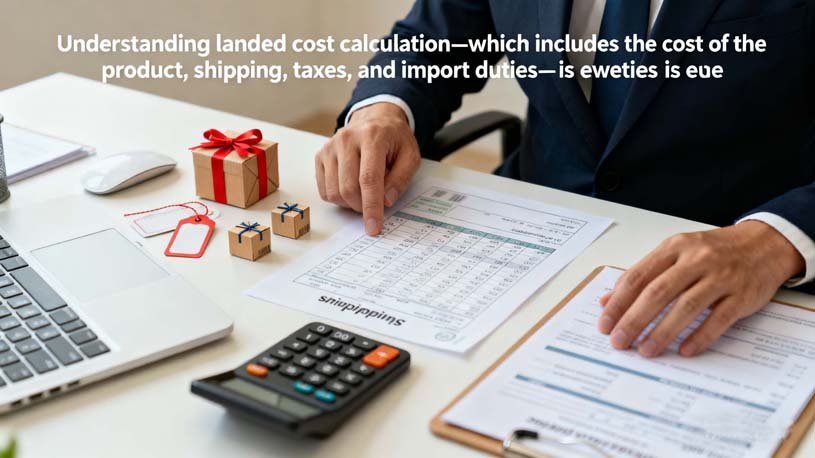
Understanding landed cost calculation—which includes the cost of the product, shipping, taxes, and import duties—is essential for accurate budgeting. If you’re not considering taxes on corporate gifts and import duties in your sourcing plan, you might find yourself in a difficult situation when the final bill arrives.
The Basics of Customs Clearance
Before your corporate gifts can make it to their final destination, they have to go through customs clearance for gift products. This process ensures that products meet the country’s regulations and that all taxes and duties are paid before the goods can be delivered.
Many corporate buyers overlook the importance of providing proper customs documentation requirements, which can result in delays and additional fees. For instance, incorrect or missing paperwork can keep your products stuck in customs, leading to added storage charges and potential fines. Preventing customs delays is critical for a smooth transaction, so make sure to double-check your shipping paperwork and communicate closely with your supplier and freight forwarder to ensure everything is in order.
How to Reduce Import Duties
1. Understand Your Product’s HS Code
One of the most important steps in reducing import duties is understanding your product’s HS code (Harmonized System Code). This code helps determine the specific tax rate applied to each item based on its classification. For example, branded pens may fall under a different category (and tax rate) than custom electronics or eco-friendly gifts.
Make sure you and your supplier have the correct HS code for the gifts you’re ordering. Incorrect classification can lead to higher duties or even shipments being delayed or rejected by customs. So, take time to research or ask your supplier about the most accurate HS code for your items to ensure the correct duty rate is applied.
2. Know the Best Shipping Terms for You
Choosing the right shipping terms can have a major impact on your import duties. One key decision here is whether to use DDP (Delivered Duty Paid) or DAP (Delivered At Place) shipping.
With DDP, the supplier takes care of nearly all costs—including import duties, taxes, and shipping. This makes it a great option for buyers who want to avoid surprise charges and ensure that all costs are clear upfront. On the other hand, DAP means the buyer is responsible for paying duties and taxes upon arrival, which can lead to unexpected fees and complications.
By choosing DDP, you can lock in your cost and avoid additional charges at delivery. This is often the safest and most predictable option for reducing import duties and taxes.
3. Negotiate with Suppliers on Terms
Don’t be afraid to talk to your supplier about import duties and taxes. You may be able to negotiate some costs that can be shifted from your responsibility to theirs. For instance, you could request that they handle certain fees or assist with the paperwork to ensure smoother customs clearance.
Negotiating the terms of your agreement upfront can save you a significant amount on taxes on corporate gifts and duties, especially when working with overseas suppliers. It’s worth having this conversation to make sure you’re not stuck with hidden fees later on.
4. Leverage Free Trade Agreements (FTAs)
Many countries have Free Trade Agreements (FTAs) with others, which can reduce or even eliminate import duties on certain goods. For instance, if you’re importing gifts from a country with which your home country has an FTA, you could qualify for reduced duties on certain types of products.
Check if your product category falls under any existing international gift import rules that benefit from these agreements. Understanding FTAs can give you a big advantage in reducing costs, so always inquire about possible benefits when dealing with international suppliers.
Avoiding Common Customs Pitfalls
A few simple mistakes during the customs process can lead to big headaches and added costs. For example, failing to provide complete and accurate customs documentation requirements can lead to delays and fines. Always ensure that your paperwork is clear, complete, and accurate.
To prevent customs delays, take time to review your documentation and check with your freight forwarder or customs broker to ensure everything is in order before shipping. This extra step can save you from costly storage fees or missed deadlines, which can further increase your import duties and taxes.
Managing import duties and taxes can seem like a daunting task, but with the right information and preparation, you can significantly reduce these costs. Understanding HS codes, choosing the best shipping terms (like DDP), negotiating with suppliers, and leveraging FTAs are all smart strategies to keep your costs low. By taking the time to understand import duties and taxes, and preparing your shipments properly, you’ll avoid surprises and stay within budget. Remember: a little planning goes a long way in the world of international corporate gift sourcing.