International shipping can be a complex process, especially for businesses and importers involved in the procurement and customization of gifts for promotional projects. Understanding the key steps and the roles of different players in international shipping can help you navigate this process smoothly and avoid any unexpected costs or delays.
Introduction to International Shipping for Gift Buyers
Shipping gifts internationally involves multiple steps and various players, including shipping companies, booking agents, freight forwarders, and customs brokers. These steps ensure that your goods move from the seller to the recipient efficiently and legally. Understanding the nuances of international shipping, including terms like “consignor” and “consignee,” can simplify communication and ensure proper handling of shipments. Let’s break down each step to give you a clearer picture of the process.
If you’re someone researching this process to expand your services, gaining a full understanding of these steps can be an essential part of learning how to start an international shipping business. Familiarity with these procedures gives new entrepreneurs a solid foundation in logistics and customer expectations.
International Shipping – Export Haulage: The First Step
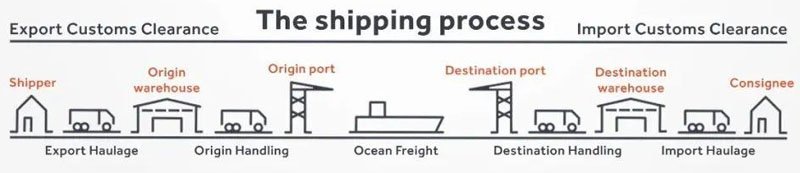
The journey begins with export haulage, which is the transport of goods from the shipper to the freight forwarder’s premises. For less-than-container-load (LCL) shipments, this is usually an export consolidation center. Depending on the agreement, either the shipper or the consignee arranges this transport, typically using local transport companies or freight forwarders.
For those exploring how to start an international shipping business, understanding this first leg of the journey is vital. Coordinating export haulage effectively builds credibility with clients and prevents early delays in the logistics chain.
Export Customs Clearance: Meeting Regulatory Requirements
Before goods can leave the country of origin, they must go through export customs clearance. This involves preparing and submitting the necessary documents to customs authorities. This step is handled by a licensed customs broker, which can be the freight forwarder or an agent appointed by the shipper. Ensuring that the process runs smoothly often depends on having “customs clearance completed” without delays, which can prevent costly disruptions in the shipping timeline.
Entrepreneurs interested in how to start an international shipping business must become familiar with export regulations and licensing requirements to legally and efficiently support clients during this step.
Origin Handling: Preparing Goods for Shipment
Origin handling encompasses all the activities from receiving the cargo at the origin warehouse to loading it into a container for shipment. This includes inspection, consolidation, and transportation to the port. Freight forwarders manage this process, ensuring that the goods are ready for the next leg of their journey. At this stage, understanding “shipping terms” is crucial for ensuring that each party knows their responsibilities regarding costs and logistics.
In fact, having a strong grasp of origin handling procedures can give anyone looking into how to start an international shipping business a strategic advantage, especially when offering value-added services like inspection and packaging.
Ocean Freight: Crossing the Seas
Ocean freight is the main stage of the journey where goods are transported by sea from the origin to the destination. Freight forwarders arrange this with shipping companies and manage contracts and schedules. The cost of ocean freight includes various surcharges and is borne by either the shipper or the consignee, depending on the agreement. For buyers new to the field, understanding “what is international shipping” and the “international shipping meaning” can provide clarity on the movement of goods and associated costs.
For those researching how to start an international shipping business, building strong relationships with ocean freight carriers is critical to providing reliable service and competitive pricing to clients.
Import Customs Clearance: Entry into the Destination Country
Upon arrival at the destination country, goods must clear import customs. This process involves submitting a declaration and relevant documents to customs authorities. Like export customs clearance, this step is managed by the freight forwarder, their agent, or a customs broker appointed by the consignee. Proper documentation ensures that “customs clearance completed” is achieved without unnecessary delays, allowing goods to proceed smoothly.
Newcomers studying how to start an international shipping business should understand the specific import laws and documentation practices of different countries to minimize risks and ensure compliance.
Destination Handling: Preparing for Final Delivery
Destination handling involves unloading the container from the ship, transporting it to the freight forwarder’s destination warehouse, and preparing the cargo for pickup. This step is crucial for ensuring the goods are ready for the final leg of their journey to the consignee. Clarifying roles, such as “consignor vs consignee,” can help both parties understand their specific responsibilities during this phase.
Including destination handling in your operational strategy is key when planning how to start an international shipping business, as it directly impacts customer satisfaction and delivery timelines.
Import Haulage: Delivering to the Consignee
The final step is import haulage, where goods are delivered from the freight forwarder’s warehouse to the consignee’s address. This transport can be arranged by the freight forwarder or a local transport company designated by the consignee. It’s important to note that unloading the cargo at the final destination is the consignee’s responsibility.
If you’re developing a business plan on how to start an international shipping business, offering flexible import haulage options could set your service apart, especially for clients with tight delivery schedules.
Conclusion: Navigating International Shipping
Understanding these seven key steps in international shipping can help international buyers of gifts manage their shipments more effectively. Each step involves specific tasks and responsibilities that must be clearly agreed upon to avoid surprises and delays. Whether you’re exploring “what is international shipping” for the first time or diving deeper into “shipping terms” and their implications, mastering these details ensures smoother operations. By working with reliable and professional freight forwarders, you can ensure a smooth and efficient shipping process, making your international trade experience much more manageable.
For aspiring entrepreneurs, mastering this workflow is also essential when researching how to start an international shipping business. This knowledge not only equips you with the operational know-how but also boosts your credibility when pitching services to clients or partners.