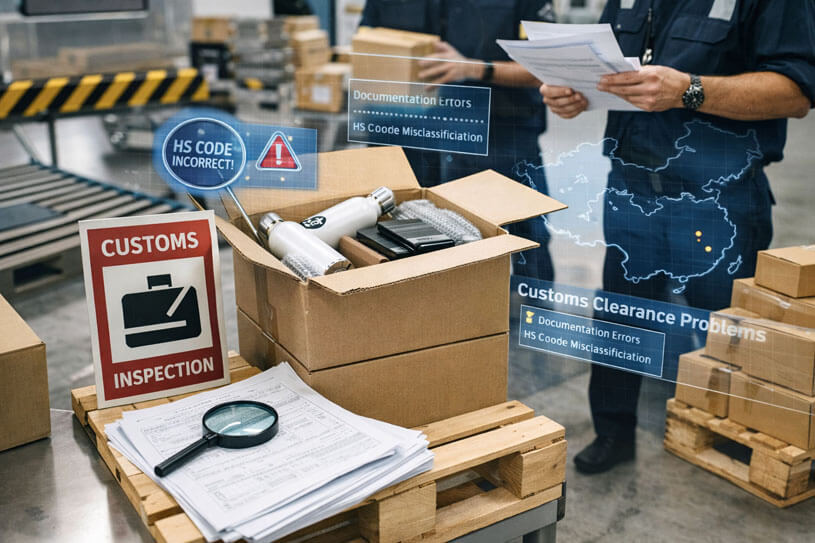
When sourcing custom products for your business, you might assume the hard work is done once the design and production are finished. But the truth is, the most frustrating hurdle often comes after that—when your shipment gets stuck at customs. While it may seem like a random glitch, custom merchandise customs delay is far from being a fluke. It’s a common issue that many buyers miss until it’s too late. Understanding why these delays happen, what you can do to avoid them, and how to handle the situation when it occurs can save you time, money, and unnecessary headaches.
This article breaks down the common causes of custom merchandise customs delay and offers tips to ensure that your shipments sail smoothly from the production line to their final destination.
Why Custom Merchandise Customs Delay Happens More Often Than Buyers Expect
When sourcing customized products internationally, many buyers expect everything to go smoothly once production is complete. However, customized goods are subject to much more scrutiny than standard products. Customs officers examine a wide range of factors, including the contents of the shipment, its country of origin, and the way it’s been labeled and classified. This is why custom merchandise customs delay is more common than you might think.
The complexities of international trade mean that even a minor mistake in your documentation or misclassification of goods can cause a shipment to be delayed at customs. Factors such as customs clearance problems or international customs delay causes are often the hidden culprits behind these hold-ups. It’s not just about paperwork; it’s about how your product fits into the global customs system.
Customs Clearance Problems Start Long Before Shipping
One of the most significant contributors to custom merchandise customs delay is poor planning in the early stages of sourcing and production. Buyers often think that customs clearance is something that happens at the last minute, right before shipping. But the reality is, it starts long before the shipment leaves the factory.
A common mistake is assuming that the supplier will handle everything related to customs. In many cases, buyers fail to recognize that they are responsible for providing the correct documentation, ensuring the products are properly classified, and making sure the shipment complies with customs regulations in the destination country.
Import Documentation Errors Buyers Don’t Realize They’re Responsible For
Import documentation errors are one of the most frequent causes of delays at customs. Often, the documentation provided by suppliers is incomplete, outdated, or incorrect. From commercial invoices to packing lists, buyers are required to review and confirm that the documents match the goods being shipped. If there are discrepancies, customs can hold up your shipment until everything is sorted out. This is why commercial invoice compliance is so critical.
For example, if the invoice states the wrong value or quantity, or if it lacks required certifications, customs will flag the shipment. Buyers often underestimate how much responsibility they have in ensuring these documents are accurate.
HS Code Misclassification—The Silent Trigger for Customs Inspection Delays
One of the most common reasons for custom merchandise customs delay is HS code misclassification. An HS code is a standardized numerical system used by customs to classify goods for import and export. Getting the HS code wrong can lead to serious problems, including delayed shipments or fines. In some cases, misclassification can even result in the shipment being seized.
Because customized products may include different materials, colors, or designs than the standard version, determining the right HS code can be tricky. For instance, a custom T-shirt with a company logo might have a different HS code from a plain T-shirt, even though the product itself is similar. HS code misclassification happens more frequently with customized goods because the supplier and buyer may overlook the changes made during production.
Real Example From Custom Production
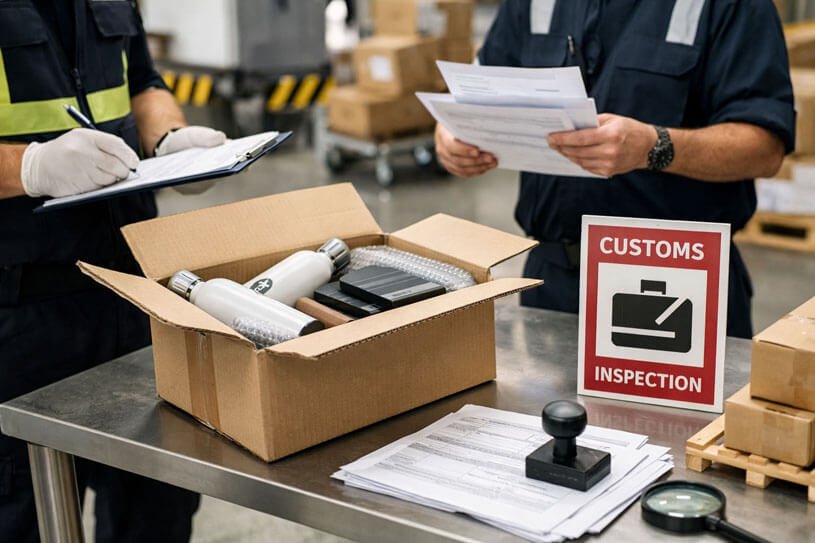
Take, for example, a shipment of custom-branded water bottles. If the HS code for the base water bottle doesn’t account for the additional logos and custom packaging, customs may flag the shipment for inspection. This can lead to delays while customs reclassifies the product, potentially missing your deadline for a promotional event or a client gift delivery.
Country-Specific Customs Regulations Buyers Rarely Research
Each country has its own specific customs regulations, and these can vary significantly. Buyers often fail to research country-specific customs regulations before shipping. What works in one country may not be applicable in another, and missing these details can result in costly delays.
For example, some countries require specific labeling for imported products, including safety certifications or country-of-origin markings. If your custom products don’t meet these requirements, customs will hold them until the issue is resolved. Understanding the rules ahead of time can prevent these frustrating setbacks and ensure smoother delivery.
Why Experienced Suppliers Flag These Issues Early
A seasoned supplier can help mitigate the risk of custom merchandise customs delay by flagging potential issues long before shipping. Experienced suppliers understand the nuances of customs clearance problems and will work with you to ensure that all documentation is accurate and complete. They’ll also ensure that your goods meet the specific regulations of the destination country, minimizing the chance of customs delays.
DDP vs. DAP Shipping Risk—What Buyers Learn the Hard Way
Another critical factor that can contribute to custom merchandise customs delay is misunderstanding the difference between DDP (Delivered Duty Paid) and DAP (Delivered at Place) shipping terms. These Incoterms determine who is responsible for paying import duties and handling customs clearance.
With DDP shipping, the supplier is responsible for all costs and paperwork, including customs duties and taxes. On the other hand, with DAP shipping, the buyer assumes responsibility for these fees and paperwork once the goods arrive at the destination country.
Misunderstanding which Incoterm applies to your shipment can lead to DDP vs. DAP shipping risk, where the buyer may not be prepared for the customs clearance process. If the buyer doesn’t have the proper documents or funds to pay for customs fees, the shipment can be delayed or even returned to the supplier.
How Custom Merchandise Customs Delay Impacts Real Projects
The impact of custom merchandise customs delay isn’t just about a delayed shipment—it’s about the real-world consequences for your business. Whether you’re running a marketing campaign, preparing for a trade show, or fulfilling client orders, delays can affect your credibility and your bottom line.
In today’s fast-paced business culture, where time-to-market is critical, delays at customs can cause ripple effects across the entire supply chain. Not only do you risk missing key deadlines, but you also risk damaging client relationships or missing promotional opportunities.
What Buyers Can Do to Reduce Custom Merchandise Customs Delay
To minimize the chances of custom merchandise customs delay, there are several proactive steps buyers can take throughout the sourcing and production process.
- Ensure Accurate Documentation: Double-check that all paperwork is accurate and up-to-date. This includes invoices, packing lists, and any necessary certifications. Make sure the documents align with the shipment’s contents and value.
- Confirm the Correct HS Codes: Work with your supplier to ensure that the correct HS codes are used. If you’re unsure, it may be worth consulting a customs expert to ensure your goods are classified correctly.
- Research Country-Specific Regulations: Before placing an order, make sure you understand the customs requirements for the destination country. This will help you avoid surprises at the border.
- Clarify Incoterms: Be clear about the shipping terms. If you’re using DAP shipping, make sure you have all the documentation and funds ready to handle customs clearance yourself.
Working With a One-Stop Supplier Changes the Risk Equation
When working with a supplier like Giftdonna, you don’t have to worry about these problems alone. Giftdonna is experienced in managing international shipping logistics and navigating customs regulations. By partnering with Giftdonna, you gain access to a secure, one-stop solution for global gift shipping, reducing the chances of customs delays.
Conclusion
Custom merchandise customs delay is a problem that can derail an otherwise smooth procurement process. But by being proactive and taking the necessary steps to ensure documentation is correct, products are properly classified, and you understand the relevant customs regulations, you can avoid this issue and keep your project on track.
If you’re working on an international custom project and want to avoid the risk of customs delays, consider partnering with an experienced supplier who understands the intricacies of global shipping. Giftdonna can help ensure that your shipments clear customs smoothly, so you can focus on what matters—delivering quality products on time.
Ready to get your custom products across the finish line without the customs hiccups? Let’s talk.
FAQ: Custom Merchandise Customs Delay
What causes a custom merchandise customs delay?
A custom merchandise customs delay usually happens due to issues with import documentation, HS code misclassification, or failure to meet country-specific regulations. It can also occur if the buyer isn’t prepared for customs duties or hasn’t clarified Incoterms like DDP vs. DAP.
How can I avoid a customs delay with my custom merchandise?
To avoid delays, double-check that your import documentation is accurate, confirm HS codes, research country-specific regulations, and clarify shipping terms (DDP or DAP) before the shipment leaves.
What is HS code misclassification?
HS code misclassification occurs when a product is incorrectly categorized for customs purposes. Customized products, such as those with logos or unique materials, often require careful classification to avoid delays.
How do customs regulations differ by country?
Each country has unique customs rules, such as labeling requirements, safety certifications, and product restrictions. Buyers should research the specific regulations of the destination country to avoid delays at customs.
Why does DDP vs. DAP shipping affect customs clearance?
DDP (Delivered Duty Paid) means the supplier handles all customs duties, while DAP (Delivered at Place) places the responsibility on the buyer. Misunderstanding these terms can lead to unexpected customs delays.
Can working with a supplier like Giftdonna reduce customs delays?
Yes, partnering with an experienced supplier like Giftdonna helps reduce the risk of custom merchandise customs delay. Giftdonna manages all logistics, documentation, and compliance, ensuring smoother and faster customs clearance.