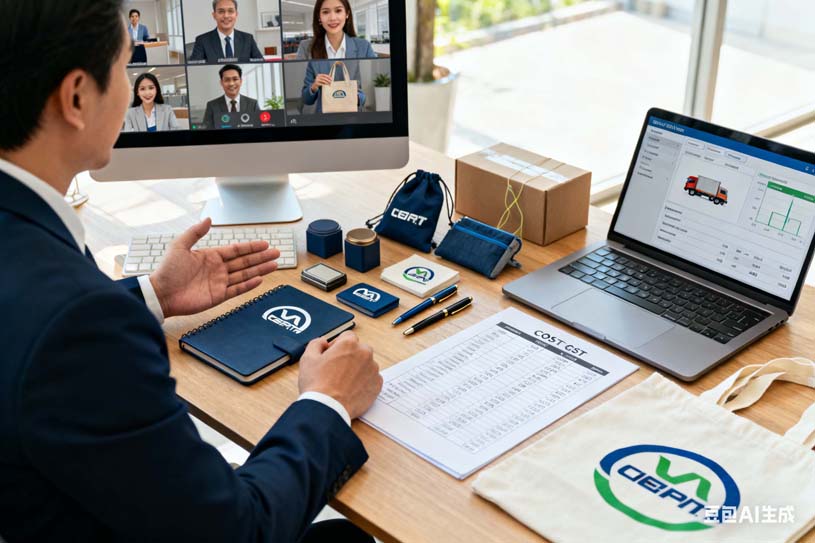
Sourcing gifts internationally can be both exciting and intimidating. On one hand, corporate gift sourcing overseas opens doors to unique products, cost savings, and customization options that local suppliers often cannot provide. On the other hand, it comes with potential hidden fees, shipping delays, quality issues, and other pitfalls. Without careful planning, what looks like a bargain can quickly become a costly headache.
In this guide, we’ll walk you through everything you need to know about corporate gift sourcing overseas, including hidden costs, trade terms, supplier management, and practical strategies to make your procurement smooth and cost-effective. By the end, you’ll understand how to leverage the benefits of overseas sourcing while avoiding the common mistakes that trip up many companies.
Why Corporate Gift Sourcing Overseas Can Be a Smart Move
Despite the potential challenges, overseas sourcing offers huge advantages:
1. Significant Cost Savings
Many overseas suppliers operate in countries with lower labor and material costs. This allows companies to purchase high-quality gifts at significantly reduced prices. For example, custom-branded pens, mugs, or tote bags can cost 30–50% less than domestic alternatives. These savings can then be reinvested into premium packaging or larger order volumes, creating a win-win situation.
2. Access to Unique Products
Sourcing abroad opens up access to items that may not exist locally. You might find artisanal products, innovative tech gadgets, or eco-friendly gifts that set your corporate gifting apart. This is especially valuable for client gifts, where uniqueness can strengthen business relationships.
3. Scalability for Bulk Orders
International suppliers often have the capacity to handle large orders efficiently. Whether you’re sourcing gifts for hundreds of employees or thousands of clients, overseas suppliers can accommodate scale more easily than smaller domestic vendors.
4. Advanced Customization Options
Many overseas factories specialize in custom gift production, offering engraving, embossing, embroidery, or packaging personalization. This allows your corporate gifts to stand out and reinforce your brand identity.
5. Market Flexibility
Working with multiple overseas suppliers gives you options. You can test new products, respond quickly to seasonal trends, and reduce dependency on a single local supplier.
Tip: To maximize benefits, pair careful planning with strong supplier relationship management. Suppliers that understand your business are more likely to offer flexibility, faster turnaround times, and priority support.
Common Pitfalls in Corporate Gift Procurement
Even experienced buyers can make mistakes when navigating international sourcing. Here are some of the most frequent issues in Corporate Gift Sourcing Overseas:
Minimum Order Quantity (MOQ) Challenges
Suppliers often require large minimums. Ordering more than necessary ties up capital, while splitting orders across multiple suppliers may increase shipping costs and complicate logistics. In Corporate Gift Sourcing Overseas, understanding the typical MOQs for your product category is critical. Many suppliers are open to negotiation if you explain your business needs, commit to repeat orders, or agree to slightly longer lead times. Taking time to negotiate can prevent unnecessary cash flow issues while still meeting your gifting requirements.
Weak Supplier Relationship Management
Miscommunication can lead to errors in product specifications, branding, or delivery timelines. In Corporate Gift Sourcing Overseas, building strong supplier relationships is crucial. Clear communication channels, regular check-ins, and documented agreements help ensure expectations are aligned. Suppliers who trust and understand your business are more likely to accommodate changes, prioritize your orders, and provide timely updates—reducing the risk of costly mistakes that can derail your corporate gifting program.
Rushed Orders and Mistakes
Waiting until the last minute often leads to express shipping charges, poor quality control, and incomplete customization. These issues are common corporate gifting mistakes. In Corporate Gift Sourcing Overseas, rushed orders are particularly risky because international production and shipping require longer lead times. Planning ahead, confirming production schedules, and scheduling shipments early are essential steps to prevent delays, maintain quality, and avoid unexpected costs.
Overlooking Total Costs
Focusing solely on the product price can be misleading. In Corporate Gift Sourcing Overseas, hidden costs—such as freight charges, customs duties, taxes, and quality inspections—can significantly inflate your budget. For example, a company might order 2,000 branded mugs at $2 each, but shipping, customs, and premium packaging could raise the effective cost to $3.50–$4 per unit—almost doubling the expected expenditure. Accurately forecasting all costs ensures that your budget reflects the true total cost of overseas procurement.
Understanding All Cost Components
A clear understanding of all costs is essential for global gift sourcing.
1. Freight Charges and Logistics Costs
Shipping costs depend on weight, volume, shipping method, and destination. Air freight is fast but expensive, while sea freight is slower but more economical. Consolidating shipments can reduce costs and simplify customs clearance.
Pro Tip: Ask suppliers for a detailed freight quote that includes packaging dimensions. Even slight differences in volume can affect shipping rates.
2. Customs, Tariffs, and Duties
International shipments may incur import duties, VAT, or local taxes. Rates vary by country and product type. If these fees are not factored in, the initial low price can be completely offset.
3. Production Costs for Custom Gifts
Customization is a major selling point, but it adds cost. Engraving, embossing, special inks, and premium packaging all contribute to the final price. Always clarify production costs upfront and request samples before bulk orders.
4. Insurance and Storage
Large shipments may require insurance in case of damage or loss during transit. Additionally, customs delays or warehouse storage can add unexpected costs.
5. Understanding Trade Terms Ensures Clarity on Costs and Responsibilities
When engaging in Corporate Gift Sourcing Overseas, understanding international trade terms is essential. These terms define who is responsible for production costs, shipping, insurance, customs, and risk at each stage of the transaction. Without a clear understanding, hidden costs can quickly escalate, turning a seemingly cost-effective overseas order into an expensive mistake.
- FOB (Free on Board): The supplier delivers the goods to the port of shipment. From that point onward, the buyer assumes responsibility for shipping, insurance, and customs clearance. Risk transfers once the goods are loaded onto the vessel. FOB is commonly used for sea freight and gives buyers more control over logistics while keeping supplier responsibilities clear.
- CNF / CIF (Cost and Freight / Cost, Insurance, Freight): CNF means the supplier arranges and pays for shipping to the destination port, but the buyer handles insurance and customs. CIF is similar, but the supplier also provides insurance coverage during transit. These terms reduce logistical burdens for buyers while slightly increasing the per-unit cost.
- DDP (Delivered Duty Paid): Under DDP, the supplier handles almost everything—from production and shipping to customs clearance and final delivery. While slightly more expensive, this term is convenient and minimizes the risk for buyers, making it a popular choice in Corporate Gift Sourcing Overseas.
- EXW (Ex Works): The supplier makes the goods available at their premises. The buyer is responsible for all transportation, insurance, customs, and delivery. EXW offers maximum control to experienced buyers who have a solid understanding of international logistics.
- FCA (Free Carrier): The supplier delivers the goods, cleared for export, to a carrier or another party at a designated location. The buyer takes responsibility from that point onward. FCA is versatile and widely used for air and land shipments.
Tip: Choosing the right trade term depends on your logistics expertise, budget, and tolerance for risk. By understanding these terms, you can avoid unnecessary fees, plan your shipping strategy accurately, and prevent hidden costs in Corporate Gift Sourcing Overseas.
Tips for Calculating Total Costs Accurately
- Use Detailed Cost Sheets – Include production, shipping, customs, insurance, and storage.
- Factor in Currency Fluctuations – Exchange rates can significantly impact total costs.
- Plan for Contingencies – Unexpected delays, customs inspections, or additional packaging fees may arise.
- Include Quality Control Checks – Costs for inspections and sample orders should be considered.
Choosing the Right Overseas Gift Suppliers
Selecting reliable overseas gift suppliers is critical:
- Check References and Reviews: Look for testimonials, sample photos, and verified ratings.
- Evaluate Production Capacity and Quality: Ensure the supplier can handle your volume and meet specifications.
- Verify Certifications: Especially for electronics, food, or eco-friendly items.
- Assess Communication Skills: Clear and timely communication reduces errors and delays.
Bonus Tip: Suppliers who have experience with international clients usually understand shipping regulations, customs, and trade terms, reducing the likelihood of surprises.
Best Practices in Global Gift Sourcing
- Consider Multiple Suppliers: Avoid dependency on a single supplier.
- Maintain Clear Contracts: Specify MOQs, production timelines, costs, and payment terms.
- Invest in Supplier Relationship Management: Regular communication prevents misunderstandings and corporate gifting mistakes.
- Build Long-Term Partnerships: Reliable suppliers may offer flexibility, better pricing, and priority service.

Quality Control and Risk Management
Ensuring your gifts meet expectations is critical:
- Pre-Shipment Inspections: Hire a third-party to check quality before shipping.
- Samples and Pilot Orders: Test products before bulk production.
- Track Production Progress: Photos, videos, and progress updates prevent last-minute surprises.
- Document Everything: Agreements, approvals, and communications should be clearly recorded.
Avoiding Corporate Gifting Mistakes
- Plan Ahead: Avoid rushed orders and express shipping fees.
- Check Item Specifications: Ensure colors, logos, and packaging meet expectations.
- Keep Clear Records: Document all approvals and changes.
Streamlining Logistics and Shipping
Smart logistics reduces freight charges and improves efficiency:
- Compare Carriers and Methods: Air, sea, or rail have different costs and timelines.
- Consolidate Shipments: Combine orders to save money.
- Understand Customs Procedures: Use brokers to avoid delays.
- Track Shipments: Real-time monitoring helps prevent late deliveries.
Technology Tools for Efficient Sourcing
- Supply Chain Management Software: Track production, inventory, and shipping in one dashboard.
- Communication Tools: WhatsApp, Slack, or email help manage supplier interactions.
- Shipment Tracking: Monitor deliveries and anticipate problems.
- Cost Management Tools: Keep track of all fees to avoid budget overruns.
Negotiating Smartly with Suppliers
Negotiation is about more than price:
- Discuss MOQs Flexibility: Many suppliers will accommodate smaller orders if approached strategically.
- Optimize Custom Gift Production Costs: Adjust packaging or branding to reduce fees.
- Ask About Shipping Discounts: Bulk shipments can lower logistics costs.
- Negotiate Payment Terms: Early or partial payments may unlock cost savings.
Case Study of Corporate Gift Sourcing Overseas: A Real-World Example
A company decided to order 2,000 branded notebooks overseas. At first, they were primarily focused on the low unit price, thinking they had secured a great deal. However, they overlooked several critical factors: freight charges, customs duties, and costs associated with custom gift production, including embossing their logo on each notebook and special packaging for corporate clients.
To prevent these hidden costs from ballooning, the procurement team implemented a proactive approach to Corporate Gift Sourcing Overseas. They strengthened supplier relationship management, maintaining frequent communication with the factory to confirm production schedules, quality standards, and branding accuracy. They also requested pre-shipment inspections to ensure every notebook met their specifications before leaving the factory.
Additionally, they carefully evaluated international trade terms and selected DDP (Delivered Duty Paid) shipping. This decision meant the supplier handled all logistics, customs clearance, and delivery, reducing the risk of unexpected fees or delays. As a result, the company avoided additional expenses, ensured on-time delivery, and maintained consistent product quality.
This case clearly demonstrates that careful planning, proactive communication, and attention to detail are essential in Corporate Gift Sourcing Overseas. By taking these steps, businesses can prevent costly mistakes, protect their budget, and deliver high-quality corporate gifts that enhance their brand reputation. It’s a perfect example of how a well-managed sourcing strategy turns a potential logistical challenge into a seamless, efficient process.
Key Takeaways from Corporate Gift Sourcing Overseas
Sourcing gifts overseas is highly rewarding when done smartly:
- Understand Total Costs: Include production, shipping, customs, insurance, and storage.
- Vet Suppliers Carefully: Look at reviews, certifications, and production capacity.
- Know Trade Terms: FOB, CIF, DDP clarify responsibilities and risks.
- Invest in Supplier Relationship Management: Prevent mistakes and delays.
- Implement Quality Control: Pre-shipment inspections and sample orders are critical.
- Plan Logistics Carefully: Consolidate shipments, track deliveries, and choose the right carriers.
- Negotiate Strategically: Optimize MOQs, production costs, and shipping fees.
Successfully managing these elements allows companies to enjoy corporate gift sourcing overseas advantages—unique products, cost savings, scalability, and professional branding—without falling into hidden cost traps.