For international buyers looking to engage in Buying in China, navigating the complexities of procurement and gift customization can be daunting. Whether you’re a company, institution, or importer planning promotional projects, understanding the key elements of international trade and Incoterms is crucial for a smooth buying experience. This guide aims to provide comprehensive, practical insights to help you successfully manage your business dealings in China.
Buying in China: Understanding Incoterms
What Are Incoterms?
Incoterms, short for International Commercial Terms, are globally recognized standards set by the International Chamber of Commerce (ICC). These terms define the responsibilities of buyers and sellers in international trade, specifying who is responsible for various costs and risks associated with transporting goods. The right choice of Incoterm can greatly impact your overall costs, control, and risks.
Categories of Incoterms
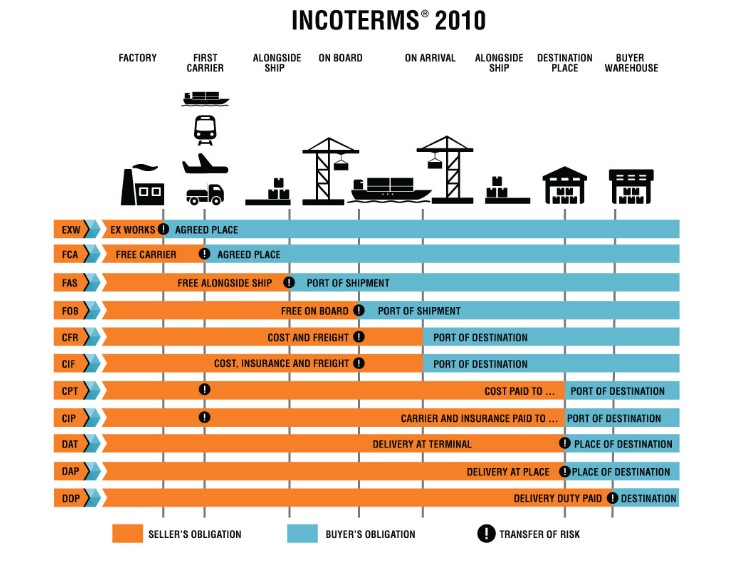
There are 11 Incoterms categorized into four groups: E, F, C, and D. Each category delineates the level of responsibility and cost assumed by the buyer and the seller:
- E-Term (EXW – Ex Works): The seller makes the goods available at their premises, and the buyer assumes all risks and costs from there.
- F-Terms (FCA, FAS, FOB): The seller delivers the goods to a carrier appointed by the buyer. The buyer pays for the main carriage.
- C-Terms (CFR, CIF, CPT, CIP): The seller arranges and pays for transportation to the destination but doesn’t assume risk after loading the goods.
- D-Terms (DAP, DPU, DDP): The seller bears all costs and risks to deliver the goods to the destination.
Most Used Incoterms in China
FOB (Free On Board)
FOB is the most commonly used Incoterm when buying in China, particularly for maritime transport. Under FOB, the seller’s responsibility ends once the goods are loaded onto the ship. The buyer then takes over, covering the main transport costs and risks. This Incoterm is favored because it provides the buyer with more control over the logistics process, potentially leading to cost savings and reduced risks. If you are looking to buy in bulk from China, FOB offers a clear advantage as it allows you to manage your own logistics, giving you greater control over transportation.
Many buyers explore FOB terms when sourcing popular categories, including electronics, household items, textiles, and other high-demand commodities. These are some of the most common things to import from China, especially when looking for scalable and cost-effective procurement options.
CIF (Cost, Insurance, and Freight)
CIF requires the seller to cover the cost of transport to the destination port and insure the goods. While this might seem convenient for buyers, it often results in higher costs and less control over the shipping process. The seller chooses the transport and insurance providers, which might not align with the buyer’s best interests.
Choosing the Right Incoterm
When negotiating with suppliers in China, it’s essential to choose the Incoterm that offers the best balance of cost, control, and risk management for your business needs. For those looking to buy direct from China, negotiating the right Incoterm will help ensure your purchasing process is smooth and cost-effective.
Buying in China: Key Considerations for Negotiating Prices
Detailed Specifications
Clearly define every detail of your purchase. This includes the destination, product specifications, packaging, and insurance requirements. Precise specifications help prevent misunderstandings and ensure that both parties are on the same page.
Transportation Costs
Understand that transportation costs are ultimately your responsibility, even if they are initially included in the product price. Always seek the safest and most cost-effective transportation options.
Multiple Transport Modes
If your goods will travel using various transport modes, consider Incoterms that cater to multimodal transport, like CPT (Carriage Paid To) or CIP (Carriage and Insurance Paid To).
Minimum Order Quantities
Suppliers may only agree to FOB terms if your order meets their minimum quantity requirements. Smaller orders might default to EXW terms, where you handle all logistics from the supplier’s warehouse.
Cost Comparison
Before finalizing any deal, calculate and compare the costs associated with different Incoterms. This will help you determine which option offers the most benefit in terms of cost savings and risk management.
If you’re new to dealing with overseas manufacturers, working with a reliable China purchasing agent can simplify the process. These professionals help bridge communication gaps, verify suppliers, and manage orders efficiently, especially when navigating unfamiliar markets.
Buying in China: Practical Tips for Smooth Transactions
Early Planning
Start your planning early. This includes researching potential suppliers, understanding the logistics involved, and being clear about your product requirements and quality standards.
Supplier Verification
Verify the credentials and reliability of your suppliers. Look for those with positive reviews, proper certifications, and a history of dealing with international buyers.
Quality Control
Implement strict quality control measures. Consider hiring third-party inspection services to ensure that products meet your specifications before shipment.
Logistics Management
Take control of your logistics. Using FOB terms allows you to manage your own shipping and transportation, giving you greater control over costs and schedules. Consider working with a reliable freight forwarder to navigate the complexities of international shipping.
Insurance
Always insure your goods. Even if you choose FOB terms, having insurance in place will protect your investment against potential damage or loss during transit.
Buying in China: FAQs on Incoterms and International Trade
What Are the Main Differences Between FOB and CIF?
- FOB: You control the main transportation, potentially saving costs and ensuring better risk management.
- CIF: The seller handles transportation and insurance, which might be convenient but could result in higher costs and less control.
How Do Incoterms Affect International Trade?
Incoterms provide a standardized framework that helps prevent misunderstandings and disputes between buyers and sellers. By clearly defining responsibilities, they facilitate smoother transactions and reduce risks.
Why Is FOB Preferred for Buying in China?
FOB is preferred because it allows buyers to manage their logistics, which can lead to cost savings and more control over the shipping process. Experienced buyers often find that FOB terms result in fewer complications and better risk management.
What Should I Look for When Choosing a Freight Forwarder?
Choose a freight forwarder with a strong track record in handling shipments from China. They should offer comprehensive services, including customs clearance, and have a network that ensures timely and secure delivery of your goods.
Making the Most of Buying in China
Buying in China offers significant opportunities for international buyers, provided they understand the intricacies of Incoterms and international trade. By choosing the right Incoterms, planning meticulously, and managing logistics effectively, you can ensure a successful procurement process. Keep these practical tips and guidelines in mind to navigate the complexities and maximize the benefits of buying in China for your promotional projects and business needs. For companies looking to buy in bulk from China, leveraging the right Incoterms and logistical strategies can make a big difference in ensuring success.
For further assistance, consider consulting with international trade experts who can provide tailored advice and support throughout your purchasing journey in China.