When Logo Changes in Gift Orders Feel Harmless—but Aren’t
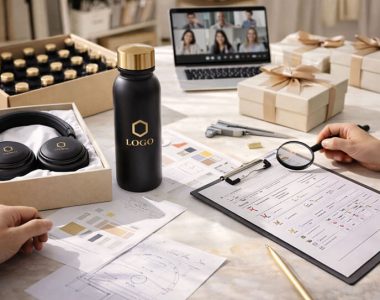
When you’re working on an international gift order, the smallest change can sometimes snowball into a huge problem. Imagine this: You’re in the middle of organizing a high-profile gift campaign for an upcoming company event, and the design team asks for a minor tweak to the logo on the gifts. It seems like no big deal, right? A quick design update, an easy fix, and everything continues smoothly. Logo changes in gift orders often feel like nothing more than a slight hiccup, especially when you’re managing multiple moving parts in the order.
But that little logo change—simple and seemingly harmless—could actually throw a wrench into the whole process. Logo changes in gift orders are far more than just a graphic design tweak; they can trigger a ripple effect that delays production, pushes deadlines back, and leads to major headaches in meeting expectations.
Project Background: An International Gift Order with a Fixed Deadline
This case study revolves around a campaign where custom corporate gifts were ordered in bulk for an international event. The gifts were meant to be part of a client appreciation package, carefully designed to represent the company’s brand in a highly polished and professional way. A custom gift set was created, with each item featuring the company’s logo—a thoughtful touch to strengthen the brand’s presence among clients.
However, with any international gift order, there’s always that looming deadline. Whether it’s a product launch, a major holiday, or an anniversary celebration, timing is everything. In this case, the deadline was tight, and the order was already underway when the last-minute request came in: a new version of the logo. At first, the marketing team believed it was a simple edit—just a tweak to the font, maybe a color adjustment to better match the overall branding strategy.
But when you’re working with custom gifts, even the smallest change can trigger unexpected delays.
Why Custom Gifts Were Chosen Over Off-the-Shelf Products
Choosing custom gifts over generic, off-the-shelf items was crucial for this campaign’s success. Personalized items would not only align perfectly with the company’s brand identity but also carry a stronger emotional impact for the clients receiving them. Custom gifts create a deeper connection, and the branding aspect of the logo was essential for brand consistency, particularly across international borders. This decision, however, added another layer of complexity to the project and required detailed coordination with the suppliers.
The Turning Point: A Last-Minute Logo Change Request
As is often the case with high-stakes campaigns, timelines can shift unexpectedly. What started as a quick fix turned into something much bigger. The marketing team submitted the new logo design just a week before the production deadline. While it seemed like a straightforward update, this small tweak inadvertently triggered a cascade of issues.
Why Logo Changes in Gift Orders Often Get Underestimated
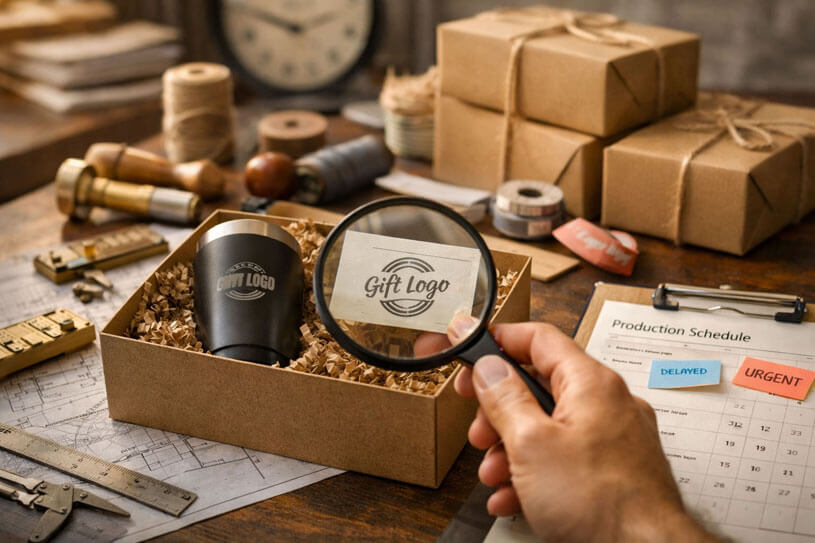
In most cases, buyers assume that logo changes in gift orders are simply a matter of swapping out one file for another. However, the reality is much more complex. For custom gifts, especially those requiring tooling and material setup, such as printed logos on boxes or embroidered logos on apparel, a change in the design can throw off the entire production schedule. Adjustments like these often require new proofs, re-approvals, and even the creation of entirely new tools (like printing plates or engraving molds). These processes take time—time that wasn’t factored into the original production plan.
The mistake here wasn’t just in the logo change itself, but in underestimating the effect it would have on the production timeline and approval process. This is where many buyers run into trouble, especially when they’re not fully aware of the intricacies of the custom gift production process. Buyers often think the design is the only thing that needs to be adjusted, but the reality is that everything from tooling to supplier communication is impacted.
What Actually Happened on the Supplier Side
When the logo change was submitted, the supplier immediately hit the pause button on production. While the change seemed small from the buyer’s perspective, the supplier was quick to point out that any update to the design required the tooling and material setup to be completely redone. For a production that was already in full swing, this meant halting the current work, adjusting the machinery, and running a new set of samples for approval.
**Tooling and Material Setup Had to Restart**
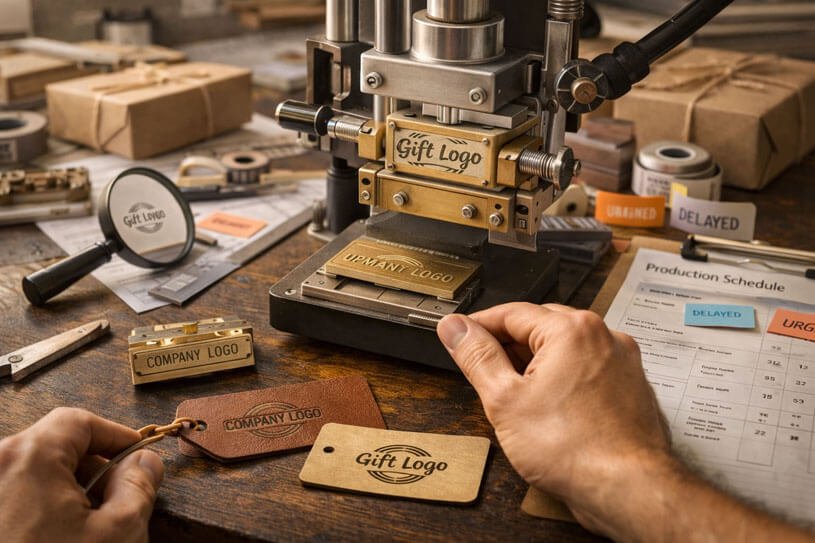
Once the new logo was finalized, all the printing plates, molds, and embroidery designs had to be adjusted to reflect the updated version. This wasn’t a simple fix. It required recalibrating machines, printing new samples, and waiting for approval on those changes. These revisions pushed the timeline back by several days—an eternity when the gifts needed to be ready for international shipping within the next few days.
The Approval Chain in Manufacturing Slowed Everything Down
After the revised samples were created, the approval chain in manufacturing had to be restarted. This meant sending the samples back to the buyer for review, and then waiting for final approval from the internal marketing team. All of this added even more time to the production process. With international orders, the time lost waiting for approvals is exacerbated by communication gaps across time zones, leading to even further delays.
How Logo Changes in Gift Orders Trigger Production Timeline Challenges
The core issue here was not just the logo change, but the production timeline challenges it triggered. Once the changes were finalized, the production timeline had to be revised. What was initially expected to be a 10-day production window stretched into two weeks. The tight deadline began to slip, and the chance of receiving the custom gifts in time for the event became increasingly unlikely.
The key takeaway? Logo changes in gift orders can unexpectedly halt production, throw off established schedules, and lead to significant delays if not properly managed.
The Communication Gap That Made Things Worse
One of the most challenging aspects of this situation was the communication gap that emerged between the buyer and supplier once the delays became evident. Effective communication is critical when managing custom gift orders, especially when you’re working across different time zones and cultural boundaries. In this case, the buyer and supplier were in different regions, which only added another layer of complexity.
Supplier Communication Under Time Pressure
At first, the buyer was under the impression that the logo change would be a quick fix. But the supplier, on their end, was already juggling several production orders for other clients. The supplier’s team communicated that they would need extra time to adjust the tooling, but the buyer had already committed to a fixed delivery schedule. Due to the pressure, there wasn’t enough proactive communication early on to understand the full scope of the change.
This lack of early communication led to confusion. The buyer had expected a smooth handover of the updated design, while the supplier was grappling with the time-consuming reality of restarting production steps. The email lag across time zones didn’t help, as updates were sent late at night, only to be read the next day, causing further delays.
Managing Custom Orders Without Full Process Visibility
What many buyers fail to realize is that without full visibility into the custom gift production process, it’s hard to anticipate how changes will affect the overall timeline. The complexity of the custom production process—ranging from tooling, material selection, to final product approval—often isn’t fully communicated. As a result, the buyer may only see one side of the coin (the design change), not understanding how far-reaching that change will be across the entire production pipeline.
In this case, if the buyer had a clearer understanding of the approval chain in manufacturing and what each change would trigger in the production flow, they could have better anticipated the potential delays and communicated more effectively with the supplier.
Handling Production Setbacks as a Buyer
Once the inevitable delays became clear, the buyer had to quickly adapt and re-assess the situation. The gifts were now at risk of not arriving on time, and there was significant internal pressure to ensure that the event wasn’t affected.
How the Buyer Reacted Once Delays Became Obvious
Initially, the buyer had hoped that the delays could be mitigated with expedited processes. But once it became clear that the new logo design was holding up production, the buyer had to take a step back and re-prioritize. Communication within the company shifted to crisis mode, with the marketing team and procurement department working closely to adjust expectations and mitigate any fallout from the delay.
Damage Control Internally
Internally, the buyer had to manage expectations with senior leadership and event planners. While the marketing team was quick to blame the production delays on the supplier, the procurement team had to step in and help mitigate the situation. Everyone had to pull together and come up with backup plans, such as offering alternative gifts or accepting late deliveries, while maintaining brand integrity.
What Helped Reduce Further Production Disruptions
After assessing the situation, the buyer realized that they needed to be more hands-on in managing the supplier relationship. The buyer and supplier worked out a more structured approval process, streamlining communications and reducing any future production disruptions. This new system cut down on the back-and-forth emails, minimized delays, and allowed both parties to meet halfway on the revised timeline.
Key Lessons from Logo Changes in Gift Orders
This situation highlighted several key lessons for buyers involved in custom gift orders, especially when logo changes in gift orders are involved:
Logo Changes in Gift Orders Should Be Considered a Production Reset
What seems like a minor tweak to the design can have a ripple effect across production. It’s not just about changing a file—it impacts tooling, approvals, and setup times.
Timing Is Everything
Even small changes can throw off tightly scheduled production timelines, especially when international gift order delays are already a concern.
Communication Is Paramount
Clear, transparent communication with suppliers from the start can help mitigate delays and production setbacks. Establishing clear timelines and contingency plans upfront is crucial for success.
Understand the Full Scope of the Custom Gift Production Process
Buyers should have a deeper understanding of how custom orders are produced. Knowing what affects the process—from the initial design to final approval—can help buyers make more informed decisions and anticipate potential setbacks.
Practical Takeaways for Buyers Managing Custom Gift Orders
To avoid similar setbacks in the future, here are a few practical tips for managing custom gift orders effectively:
Set Clear Expectations from the Beginning
When making any changes to the design or logo, understand that it will affect the timeline and production process. Communicate these expectations clearly to your supplier.
Give Enough Lead Time for Design Changes
Last-minute changes should be avoided at all costs. If changes are absolutely necessary, make sure they are submitted well in advance to avoid disrupting the production timeline.
Work Closely with Your Supplier
Create a more structured approval process. Stay in close contact with your supplier to ensure that everyone is on the same page and that potential issues are addressed early.
Build Contingency Into Your Timeline
Account for potential delays by building a buffer into the timeline. It’s always better to plan for a little extra time than to risk a delay.
Conclusion: Rethinking Logo Changes in Gift Orders Before It’s Too Late
Looking back, the buyer in this case realized that logo changes in gift orders are not as simple as they may seem. While a design tweak might feel like a minor edit on the surface, it can cause major disruptions when you’re dealing with customized production, especially with international gift orders.
Ultimately, the experience reshaped how the buyer approached future custom gift orders. By learning from the production setbacks, they were able to implement more structured timelines, better communication practices, and a stronger understanding of the production process. The lesson here? Logo changes in gift orders are something to take seriously—because when they go wrong, they can turn a smooth-sailing project into a serious headache.
FAQs
What are logo changes in gift orders?
Logo changes in gift orders refer to any modification to the logo design after a custom gift order has entered production, including size, color, placement, or file version updates.
Why do logo changes in gift orders cause production delays?
Because logo changes in gift orders often require new tooling, revised material setup, fresh samples, and a restarted approval chain in manufacturing, which disrupts the original production timeline.
Are logo changes considered a major change in custom gift production?
Yes. In the custom gift production process, logo changes are usually treated as a production reset rather than a simple design edit, especially for printed, engraved, or molded items.
How do logo changes in gift orders impact international gift orders?
Logo changes in gift orders can amplify international gift order delays due to time zone differences, longer approval cycles, shipping constraints, and tighter coordination across borders.
What production steps are affected by logo changes?
Tooling and material setup, sample approval, production scheduling, and quality checks are commonly affected, leading to production disruptions and timeline extensions.
Can last-minute logo changes be accommodated without delays?
In most cases, last-minute order changes increase the risk of custom gift production delays unless extra buffer time and expedited approvals are already built into the schedule.
How should buyers manage logo changes during production?
Buyers should pause and reassess timelines, confirm the supplier’s production impact, align internal stakeholders, and avoid further changes to prevent additional setbacks.
What role does supplier communication play when logo changes occur?
Clear and proactive supplier communication is critical. Early confirmation of impacts helps buyers manage expectations and reduce unnecessary production disruptions.
How can buyers prevent issues caused by logo changes in gift orders?
Freeze logo designs before production, clarify approval chains, build buffer time into schedules, and treat any logo change as a potential timeline reset.
What is the biggest lesson from this case about logo changes in gift orders?
The key lesson is that logo changes in gift orders are rarely “small.” They affect real production steps and should be handled with the same seriousness as a new order.