In today’s fast-moving business environment, buyers are expected to make quick decisions and deliver flawless results. That’s where sample vs mass production becomes a real pressure point. On paper, everything looks simple: approve a sample, place an order, receive the goods. But in real life, sample vs mass production is one of the most common sources of confusion, delays, and costly mistakes for buyers working with manufacturers.
If you’ve ever approved a beautiful sample and then felt disappointed when bulk goods arrived, you’re not alone. This gap isn’t about bad intentions—it’s about how manufacturing actually works. Let’s break it down in a practical, no-nonsense way.
Sample vs Mass Production Why This Gap Causes Most Buyer Disputes
The biggest misunderstanding in sample vs mass production is expectation. Buyers often assume the approved sample represents exactly what will arrive in every box. Manufacturers, on the other hand, see samples as reference points, not guarantees.
In manufacturing, a sample is often made slowly, by hand, with extra attention. Mass production manufacturing is optimized for speed, consistency, and cost. Those goals don’t always line up perfectly. This is why manufacturing sample vs production differences exist—even when both sides are acting in good faith.
In modern business culture, where procurement teams report to multiple stakeholders and marketing teams care deeply about brand details, even small differences can turn into big internal problems.
What Is a Pre-Production Sample and What It Is Not
A pre-production sample is usually the first physical version of your custom product. It confirms basic elements like size, material choice, logo placement, and overall look. What it does not always confirm is how the product behaves at scale.
Pre-Production Sample vs Production Sample Explained Clearly
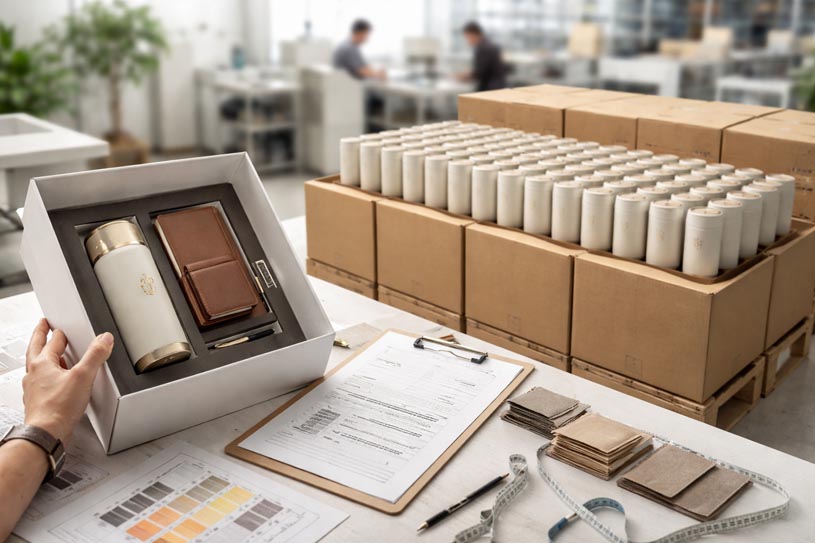
A production sample is made using the same materials, equipment, and process planned for mass production manufacturing. This makes it more reliable, but also more expensive and time-consuming.
Here’s where buyers often get stuck:
- They approve a pre-production sample
- They skip the production sample to save time
- They expect bulk goods to match the sample exactly
That’s a risky move. Understanding manufacturing sample vs production differences upfront saves a lot of stress later.
Inside the Custom Product Sampling Process at Real Factories
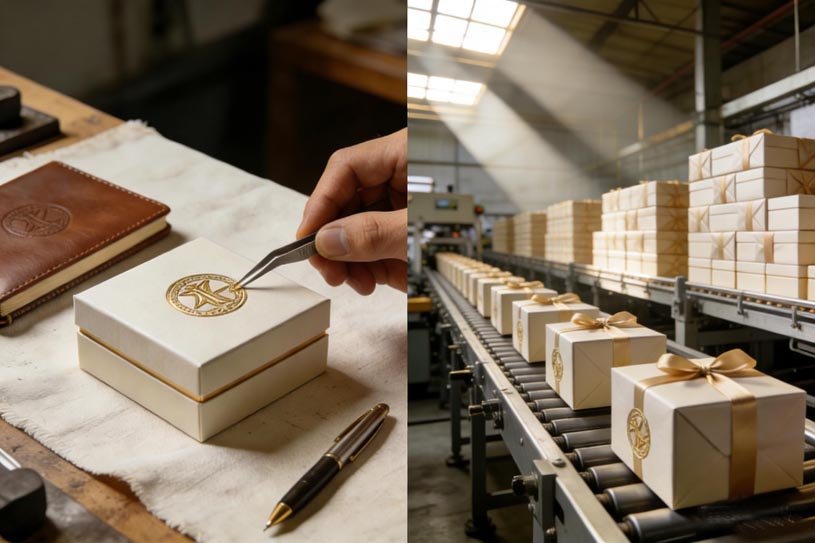
The custom product sampling process isn’t automated. It’s manual, flexible, and often treated as a special task inside the factory. Skilled workers hand-assemble samples, carefully select materials, and double-check details.
This is normal product sampling for manufacturers. Samples are meant to show possibility, not efficiency. In contrast, mass production manufacturing relies on standardized workflows, machines, and batch processing. The shift from sampling to production is where small variations can creep in.
This doesn’t mean samples are misleading—it just means buyers need to understand what samples truly represent.
Sample Approval Before Mass Production What Buyers Must Confirm
Sample approval before mass production should never be rushed. This is the moment to lock down details that matter in bulk.
Checklist Buyers Rarely Get Told About
Before approving any product sampling, confirm:
- Material grades and acceptable substitutes
- Color tolerance ranges (especially for dyed or printed items)
- Logo placement margins, not just position
- Stitching density, edge finishing, and surface texture
- Packaging type and packing method
These details matter more in bulk production manufacturing than in a single sample. Writing them down protects both sides.
Why Mass Production Manufacturing Changes Everything
Once mass production manufacturing begins, priorities shift. Speed, consistency, and output volume take center stage. Machines replace hands. Batches replace individual attention.
This is where sample vs mass production becomes very real. A finish that looks perfect on one unit may show slight variation across 5,000 units. A color approved under one light source may look different when produced at scale.
In today’s competitive market, manufacturers are balancing cost pressure, labor availability, and delivery timelines. Understanding this context helps buyers plan smarter instead of reacting later.
Bulk Production Manufacturing Risks Buyers Should Plan For
Every buyer should assume some level of risk in bulk production manufacturing. Common issues include:
- Minor material variations due to supplier availability
- Equipment calibration differences
- Operator technique changes across shifts
- Packaging compression during shipping
These aren’t signs of poor quality control—they’re realities of scale. The best buyers plan for them during product sampling, not after delivery.
Sample vs Mass Production in Custom Corporate Gifts
When it comes to custom corporate gifts from manufacturer, the stakes are even higher. These products represent your brand. Small flaws feel bigger because the items are meant to impress.
In sample vs mass production, corporate gifts often suffer when logos, finishes, or packaging details aren’t clearly defined early. Marketing teams expect visual perfection, while procurement teams focus on timelines and cost. Samples help align those expectations—but only if used correctly.
For corporate gifting, production samples and clear approvals are not optional. They’re insurance.
How Smart Buyers Close the Sample vs Mass Production Gap
Experienced buyers don’t rely on assumptions. They:
- Request production samples for large orders
- Keep a “golden sample” for reference
- Ask for mid-production photos or videos
- Confirm tolerances instead of exact matches
- Document approvals clearly
These habits dramatically reduce sample vs mass production issues and build stronger supplier relationships over time.
Final Thoughts on Sample vs Mass Production
At the end of the day, sample vs mass production isn’t about choosing one over the other—it’s about understanding the role each plays in successful manufacturing. Samples are tools for alignment, not promises of perfection. When buyers approach product sampling with realistic expectations and clear communication, mass production manufacturing becomes far more predictable, scalable, and stress-free.
Frequently Asked Questions
What does sample vs mass production really mean for buyers?
Sample vs mass production describes the difference between products made individually for review and those produced at scale. Samples focus on demonstrating design and concept, while mass production prioritizes efficiency, consistency, and cost, which can introduce small but noticeable variations.
Is a pre-production sample enough to approve a bulk order?
A pre-production sample is useful for confirming design and materials, but it may not fully represent the final bulk output. For large or brand-sensitive orders, a production sample is a safer reference before mass production begins.
Why do products sometimes look different in bulk production?
Bulk production manufacturing relies on batch processes, machines, and multiple operators. Factors like material lots, equipment calibration, and speed can affect appearance, even when the approved sample was accurate.
What should be confirmed during sample approval before mass production?
Buyers should confirm material specifications, acceptable color ranges, logo placement tolerances, finishing details, and packaging standards. Clear confirmation reduces misunderstandings once production moves to scale.
How many samples should buyers review before mass production?
There’s no fixed number, but buyers often review a pre-production sample first and then a production sample for large orders. The higher the order value or branding importance, the more critical sample review becomes.
Is product sampling always necessary for custom orders?
For custom products, product sampling is strongly recommended. It helps align expectations between buyer and manufacturer and reduces risk, especially for first-time orders or new designs.
Are production samples necessary for custom corporate gifts?
Yes, especially for custom corporate gifts from manufacturer. Since these products represent a brand, production samples help ensure logos, finishes, and packaging meet expectations before bulk production.
How can buyers reduce risks between samples and mass production?
Buyers can reduce risk by documenting approvals, keeping a reference sample, confirming tolerances instead of exact matches, and maintaining clear communication throughout the production process.