In the world of promotional products, understanding the classification of plastics is key to making informed decisions about customized gifts. This guide will help international buyers, companies, institutions, and importers navigate the various types of plastics, their characteristics, and their uses. Whether you’re planning a purchase for a large-scale promotional project or seeking the perfect material for custom gifts, this detailed classification will provide you with the knowledge you need.
1. Classification of Plastics: Functions, Characteristics, and Uses
The classification of plastics primarily revolves around their chemical composition and properties. Different plastics offer unique benefits and are suitable for various applications. Let’s explore some common types of plastics and their key characteristics:
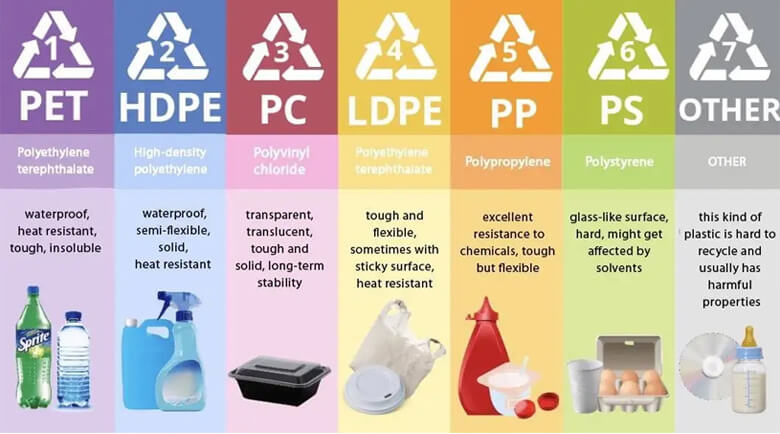
1. Polyethylene (PE)
- Advantages: Lightweight, good low temperature resistance, chemical corrosion resistance, high recyclability, and relatively low cost.
- Disadvantages: Low heat resistance and easy deformation, not suitable for high-temperature applications.
- Uses: Commonly used in food packaging, plastic bags, and bottles.
2. Polypropylene (PP)
- Advantages: High chemical resistance, good heat resistance, lightweight, and excellent electrical insulation.
- Disadvantages: Brittle in cold temperatures and not ideal for high-temperature applications.
- Uses: Popular in food containers, automotive parts, and baby products. In addition, the “PP plastic material” is widely recognized for its versatility and durability, making it an excellent choice for various promotional items and custom corporate gifts.
3. Polyvinyl Chloride (PVC)
- Advantages: High corrosion resistance, good weather resistance, and low cost.
- Disadvantages: Releases harmful gases during processing and has limited temperature resistance.
- Uses: Used in pipes, cable sheaths, and building materials.
4. Polystyrene (PS)
- Advantages: Lightweight, cheap, and easy to mold.
- Disadvantages: High brittleness and poor temperature resistance.
- Uses: Found in disposable cups, packaging, and insulation materials.
5. Polyethylene Terephthalate (PET)
- Advantages: High transparency, lightweight, wear-resistant, and excellent recyclability.
- Disadvantages: Susceptible to UV damage and not suitable for high-temperature uses.
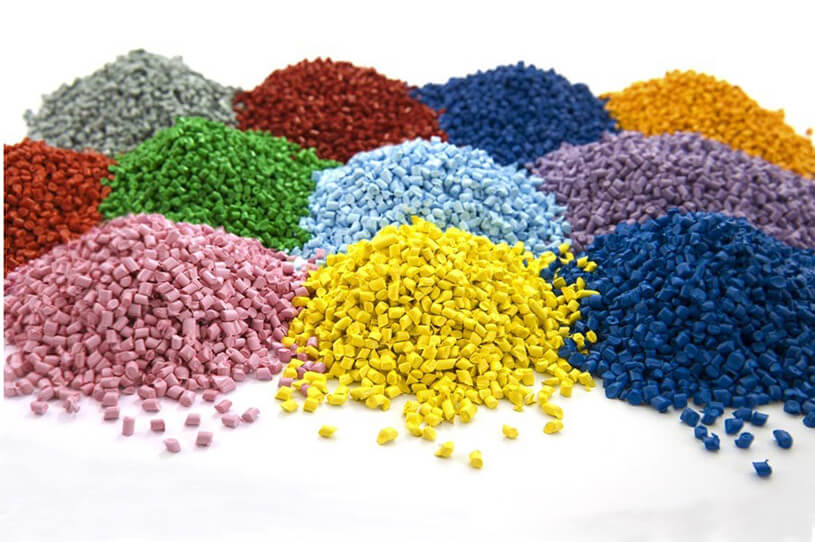
- Uses: Commonly used in beverage bottles and textile fibers. Understanding these plastics begins with an appreciation of their core “plastic raw material”, which forms the basis for creating innovative and functional promotional products.
Many of the everyday promotional items businesses customize, such as drinkware, containers, and office tools, are great examples of things made from plastic, showcasing the wide utility of these materials across industries.
Understanding these fundamental characteristics helps in selecting the right plastic for your custom gifts, ensuring durability and suitability for the intended use.
2. Classification of Plastics: Suitable Products for Customized Gifts
When it comes to creating custom gifts, the classification of plastics can guide you in choosing the best material for specific products. Here are some popular plastic gift items and the most suitable types of plastic for each:
1. Promotional Bottles and Containers
- Best Choice: Polyethylene (PE) and Polypropylene (PP)
- Reason: These plastics are lightweight, durable, and resistant to chemicals, making them ideal for food and beverage containers. For companies seeking custom bulk gifts, using high-quality plastic options like PE or PP ensures both functionality and cost-efficiency in large-scale projects.
2. Custom Keychains and Trinkets
- Best Choice: Polyvinyl Chloride (PVC) and Polystyrene (PS)
- Reason: These materials are easy to mold into various shapes and are cost-effective for bulk production.
3. Branded Electronics Cases
- Best Choice: Polycarbonate (PC)
- Reason: High impact resistance and transparency make PC perfect for protecting gadgets while showcasing logos and designs.
4. Personalized Drinkware
- Best Choice: Polyethylene Terephthalate (PET) and Polycarbonate (PC)
- Reason: PET is excellent for clear, lightweight bottles, while PC offers high durability for mugs and tumblers.
5. Custom Phone Accessories
- Best Choice: Polypropylene (PP) and Silicone
- Reason: These materials provide flexibility and durability, essential for phone cases and grips.
By aligning the characteristics of each plastic type with the needs of your promotional items, you can ensure that the final products are both functional and appealing.
3. Issues and Considerations in the Classification of Plastics for Customized Gifts
Understanding the classification of plastics involves not just recognizing the different types but also considering their practical implications for your projects:
1. Durability and Lifespan
- Different plastics have varying levels of durability. For example, Polycarbonate (PC) is highly durable and resistant to impact, making it suitable for long-lasting products. On the other hand, Polystyrene (PS) is less durable and more prone to breaking.
2. Environmental Impact
- Consider the environmental implications of your plastic choice. Polyethylene (PE) and Polypropylene (PP) are highly recyclable, which can be a selling point for eco-conscious consumers. Meanwhile, Polyvinyl Chloride (PVC) is less environmentally friendly due to the harmful gases it releases during production.
3. Cost-Effectiveness
- Budget constraints often play a significant role in material selection. Polyethylene (PE) and Polystyrene (PS) are generally more cost-effective, making them suitable for high-volume, low-cost items. In contrast, Polycarbonate (PC) and Nylon, while more expensive, offer higher quality for premium products.
4. Aesthetic Appeal
- The appearance of the plastic can impact the perceived value of the gift. Polyethylene Terephthalate (PET) offers high transparency and an attractive finish, making it ideal for products where appearance is key.
5. Compliance and Safety
- Ensure that the chosen plastic complies with safety standards relevant to your target market. For instance, materials used in food containers should be FDA-approved and free from harmful chemicals.
When evaluating which material is best for a specific item, referring to a plastic material selection guide can simplify the decision-making process and help ensure the final product meets both functional and regulatory requirements.
By leveraging innovative materials, such as PP plastic material, companies can create personalized and impactful custom corporate gifts that meet both practical needs and aesthetic expectations.
Conclusion
Navigating the classification of plastics is essential for anyone involved in the procurement of customized gifts. By understanding the functions, characteristics, and uses of various plastics, you can choose the best materials for your needs. Whether you’re selecting durable options for promotional bottles or cost-effective materials for keychains, this guide provides the insights necessary to make informed choices. Remember to consider durability, environmental impact, cost-effectiveness, aesthetic appeal, and compliance to ensure your custom gifts are both high-quality and suitable for your audience.
By exploring the potential of plastic raw material, businesses can unlock endless possibilities for creating unique and valuable custom bulk gifts that cater to a global audience.
By leveraging the right plastic materials, you can enhance the value and appeal of your customized gifts, making your promotional projects a success.